Apple has just adjusted pricing across much of its hardware lineup, including Macs, iPads, HomePods, and Apple TV. For smart home users, the changes hit a particularly important category: Apple Home hubs.
If you want to use Matter with Apple Home, a hub is required for remote access, automations, and Thread networking. While Apple Home can still control devices locally, many of the platform’s key smart home features depend on having a compatible hub at home. With the latest price increases, the cost of getting started has become noticeably higher.
Apple TV sees the biggest increase
The biggest change comes from Apple TV. The 64GB Wi-Fi model now costs $199 in the US, while the 128GB Wi-Fi + Ethernet version is priced at $249. Previously, the two models sold for $129 and $149 respectively.
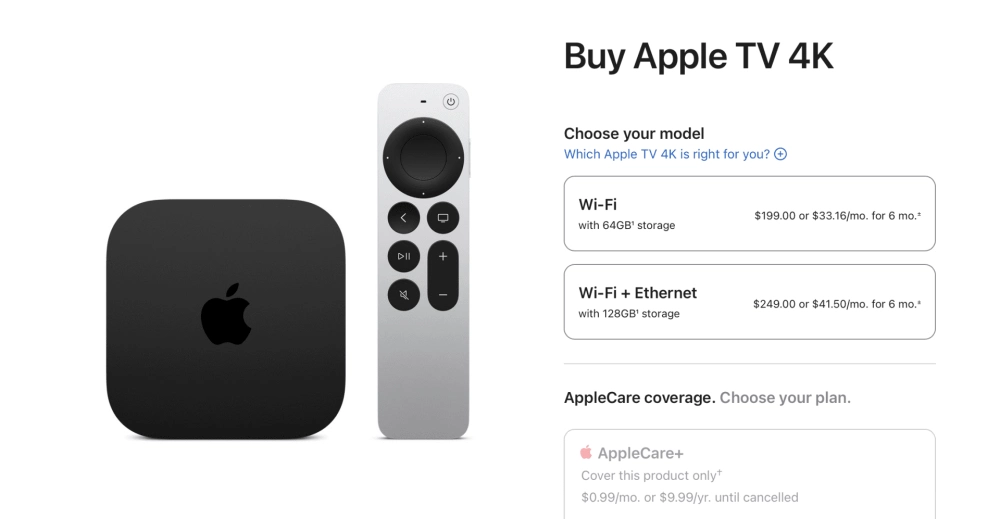
For Matter users, the increase is even more significant because Thread Border Router functionality remains exclusive to the Ethernet model. That means users who want full Thread support now need to spend at least $249 on Apple’s streaming box, a substantial jump compared to previous generations.
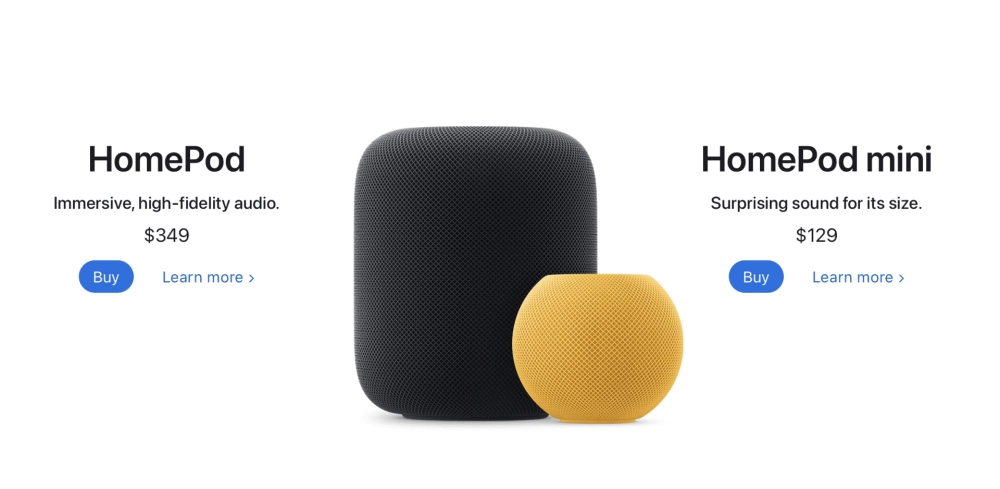
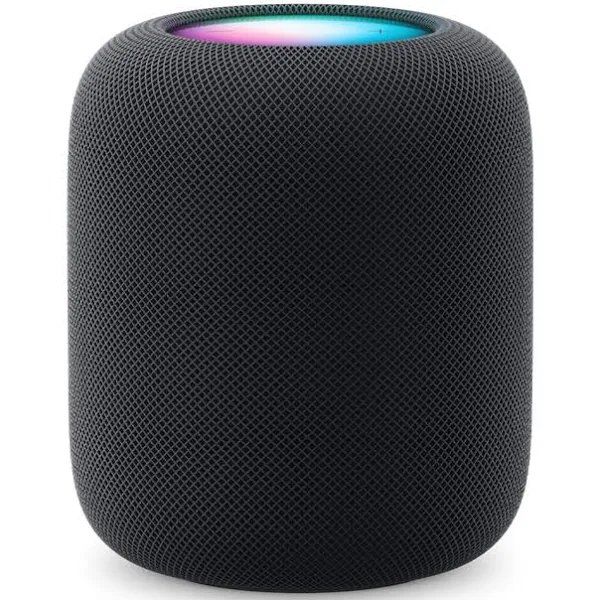
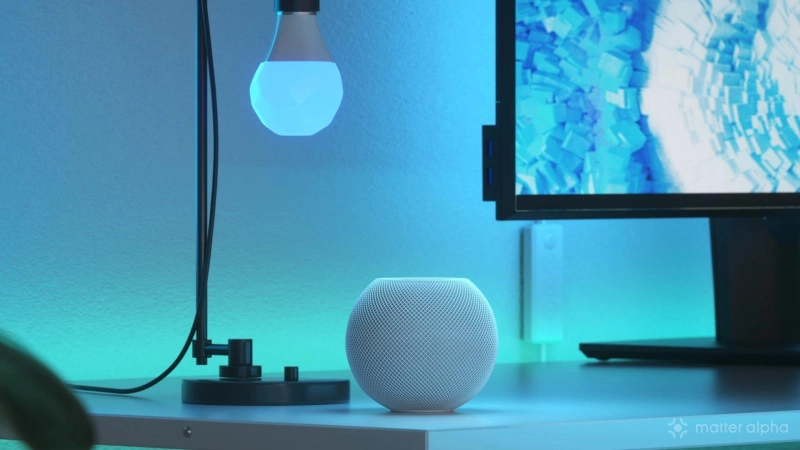
HomePod pricing has increased as well. The HomePod mini now sells for $129, up from $99, while the HomePod (2nd generation) rises to $349 from $299.
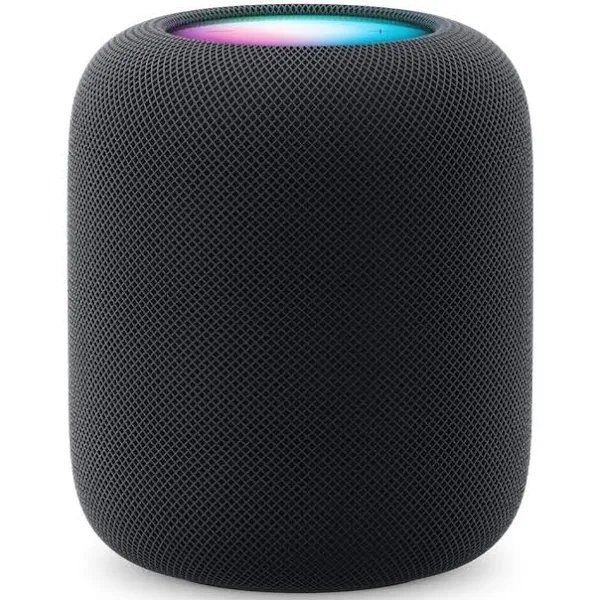
Apple HomePod (2nd Gen)
As a result, the HomePod mini becomes Apple’s cheapest Matter hub at $129. That puts it above products such as the Google Nest Hub (2nd Gen), which includes a display and typically sells for $99 before discounts. For users entering the smart home market for the first time, Apple’s ecosystem now carries a noticeably higher upfront cost than some competing platforms.
Grab one from other retailers
Apple has been rumored to be preparing new smart home products, including a display-equipped home hub. However, if you are building Apple Home today, a HomePod mini remains the lowest-cost ticket into the Apple Home ecosystem for Matter users.
Many third-party retailers still have inventory purchased before the latest price adjustment. If you are planning to build an Apple Home setup, it may be worth checking retailers such as Walmart, Best Buy, Amazon, or local electronics stores before prices across the channel fully align with Apple’s new pricing.
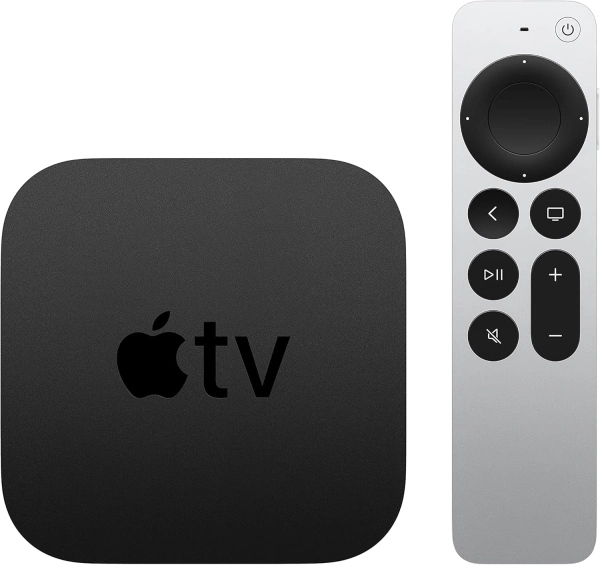
Apple TV 4K (2nd gen)
A powerful 4K streaming box with premium audio-visual features, deep Apple ecosystem integration, and smart home compatibility.
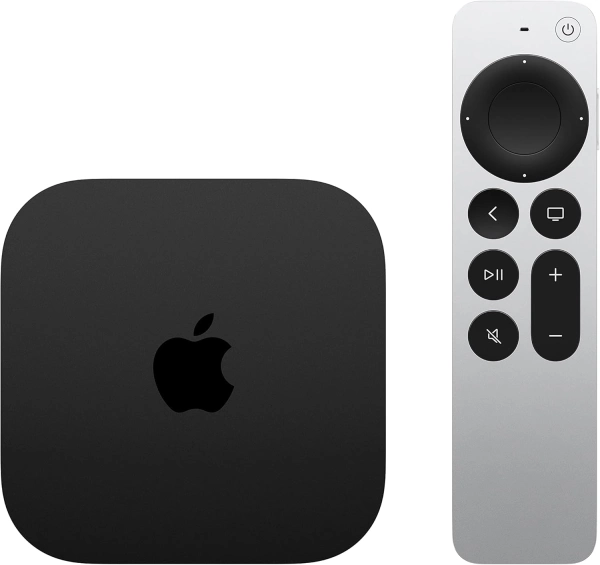
Apple TV 4K (3rd gen, 128 GB)
A powerful 4K media player with expanded storage, advanced video and audio support, and smart home hub functionality.
Alternatively, the Apple TV 4K (2nd gen) also supports Matter and Thread, making it a viable option for Apple Home users. However, as the model has been discontinued, finding a brand-new unit at a reasonable price may be difficult. The model also gains support for tvOS 27 beta.
The same advice applies to entry-level iPads which are $100 more expensive if you were considering one as a dedicated smart home dashboard or wall-mounted control panel. While iPads are no longer supported as Home hubs, they remain a popular choice for controlling HomeKit and Matter devices around the house.
Smart home hardware is getting more expensive
Apple is far from the only company affected by rising hardware costs. Products that depend on memory and storage components have all become more expensive over the last few years largely driven by the AI boom, and smart home equipment is no exception.
The first products feeling the impact are often the devices at the center of a smart home setup. Gateways, hubs, NVRs, NAS systems, and high-end routers continue to see increasing costs, while ongoing geopolitical tensions, tariffs, and supply chain shifts add further pressure across the industry.
The trend is already visible in the smart home market since last year. IKEA and Philips Hue have both raised prices on selected products in North America, and other vendors have quietly adjusted pricing over the past year. At the same time, some manufacturers are reducing memory and storage configurations to remain competitive while keeping retail prices under control.
For Matter users, that creates an additional concern. The standard continues to expand with support for new device categories, energy management features, cameras, and more advanced automation capabilities. Those additions place greater demands on both devices and hubs that are already facing rising hardware costs.
Whether manufacturers absorb those costs, pass them on to consumers, or find ways to make Matter implementations more efficient will likely shape the next phase of the smart home market. For now, one thing is clear: building a smart home is becoming more expensive, and Apple users are among the first to feel the pain.
(Source: Apple Store, MacRumors; Image: Apple)