Until now, most versions of Matter have emphasized new device categories. Version 1.5 was all about cameras. Version 1.4 centered clean energy like solar panels, batteries, and heat pumps. Version 1.6 is different. Digging through the changes, you won't find new types of hardware that you couldn't connect before. This time, the Connectivity Standards Alliance has placed its focus on resolving some of the aspects of Matter that can be the most frustrating.
Matter's new Joint Fabric is the star of the show
The promise of Matter is a platform-agnostic protocol that allows you to add devices using the smart home platform of your choice. If you like Apple Home, use Apple Home. If you prefer Samsung SmartThings, use that. You are not locked in to a single proprietary app or ecosystem. This works great—if you only stick to one platform. The second you want to switch or use more than one simultaneously, things get complicated.
This is because when you add Matter devices to your smart home platform, it creates what is known as a Matter fabric. Each new device you add becomes a part of this fabric. When you switch platforms, you switch fabrics. The two fabrics are incapable of seeing one another, so they can't see the devices you've added to one or the other.
Matters multi-admin functionality offers a solution: you can share a Matter device from one fabric to another. Unfortunately you have to do this one device at a time. In a smart home like mine, where I've replaced nearly every light switch with a smart switch, that gets very tedious very fast.
The headline feature of Matter 1.6 is its new Joint Fabric functionality. Joint Fabric simply means there will be one fabric that is shared across multiple smart home platforms. When you set up a Matter device using your app of choice, it will be visible to any other smart home platforms you may already have and those you decide to add in the future.
It's now possible to onboard Matter devices entirely over NFC
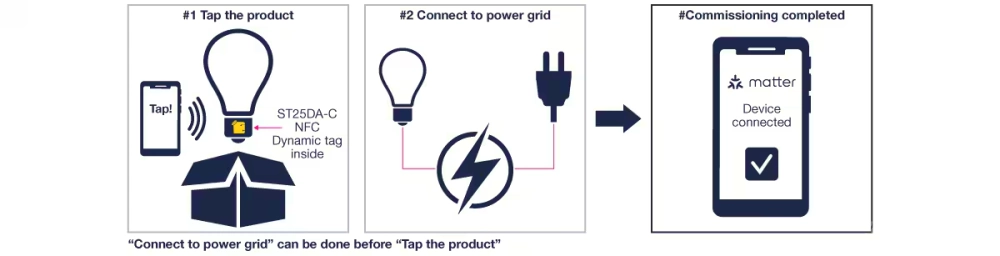
Setting up a new Matter device is relatively straightforward. Your device comes with a QR code that you simply scan using your preferred smart home app. If the device does not have a QR code, you can type out the Matter pairing number manually. Your smartphone then connects to the Matter device using Bluetooth low energy and communicates the necessary information to your smart home hub. This onboarding process is known as Matter commissioning.
Matter 1.6 introduces the ability to complete the entire commissioning process using NFC instead of Bluetooth. This builds upon a foundation already introduced in Matter 1.4. That release added the ability to initiate the onboarding process using NFC, but it still relied on Bluetooth to carry out the process. 1.6 removes the need for Bluetooth entirely.
This NFC functionality introduces the possibility of onboarding Matter devices whose QR codes or pairing numbers are no longer visible, like smart bulbs that are in a fixture or smart switches behind a wall plate. You can simply tap your phone against these devices.
The target hardware doesn't even need to be powered on. The necessary onboarding information is saved to the NFC chip and can be communicated separately when you eventually power on the device. The Matter connection is already in place. This doesn't just simplify life for home owners. It greatly simplifies things for installers as well.
Thermostats that do what you mean, not what you say
The remaining big feature from Matter 1.6 is what is known as Thermostat Suggestions. This adds the ability for thermostats to exercise some discernment when being sent a command. For example if you tell a thermostat to lower the temperature, but you've signed up for a demand-response plan and your power company is signaling the thermostat to help preserve energy, your thermostat can wait to lower the temperature until the demand-response period has come to an end.
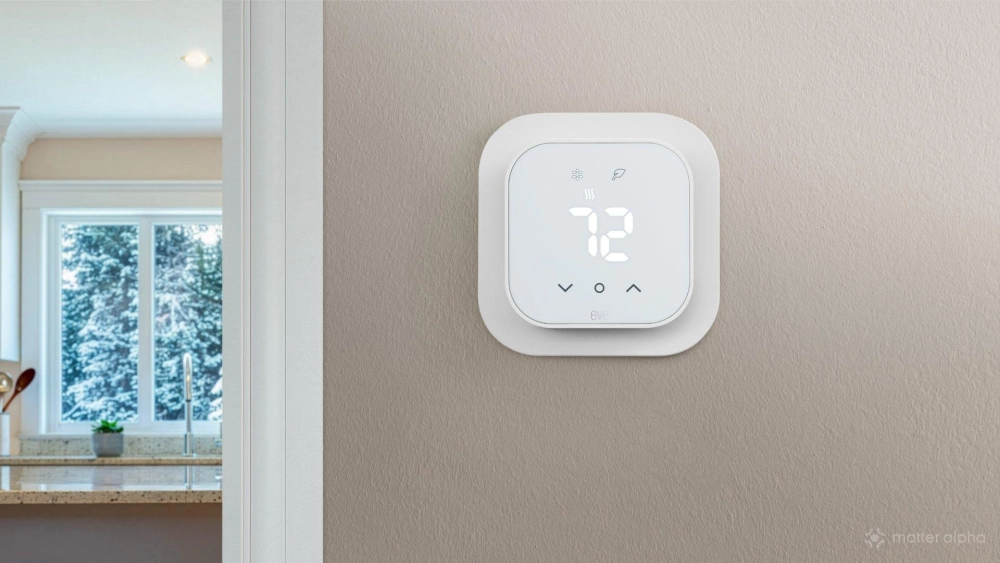
If your thermostat receives a command from one device to adjust the temperature, followed very soon after by a separate command from a different device, it can defer that one of these commands was a mistake and opt to ignore it. Whenever the thermostat does not do as instructed, it provides instructions to both the user and the smart home platform the reason why.
We've entered the refinement era of Matter
Like with any new tech, the early days of Matter have been exciting due to the way it has introduced the ability to do things we couldn't do before. Now we are hitting the stage where Matter goes from being fun to being good. The protocol is maturing into something less fiddly and is increasingly practical to bake into more and more devices. These changes are necessary if Matter is to someday be as commonplace and baked into our lives as other standards like Bluetooth and Wi-Fi.
Other new features introduced in Matter 1.6 exemplify this refinement. Devices can now communicate their capabilities and limits to smart home controllers in a standardized way. Security sensors can interoperably relay event history, providing more useful data and context. Smoke alarms can tell your app when they have been unmounted. These enhancements build upon what Matter can do and the quality of the experience.
As is often the case with Matter, it will take time before these features are present in your smart home. NFC onboarding in particular not only requires smart home platforms to integrate the feature into their respective apps, but Matter devices must also hit store shelves that contain NFC chips, such as the early NFC chips we've seen from STMicroelectronics. This is not functionality that will suddenly appear for the smart devices already within your walls, but it is coming.